
Ciao Italia! (Italy Realized)
Was Italy As I Imagined It?
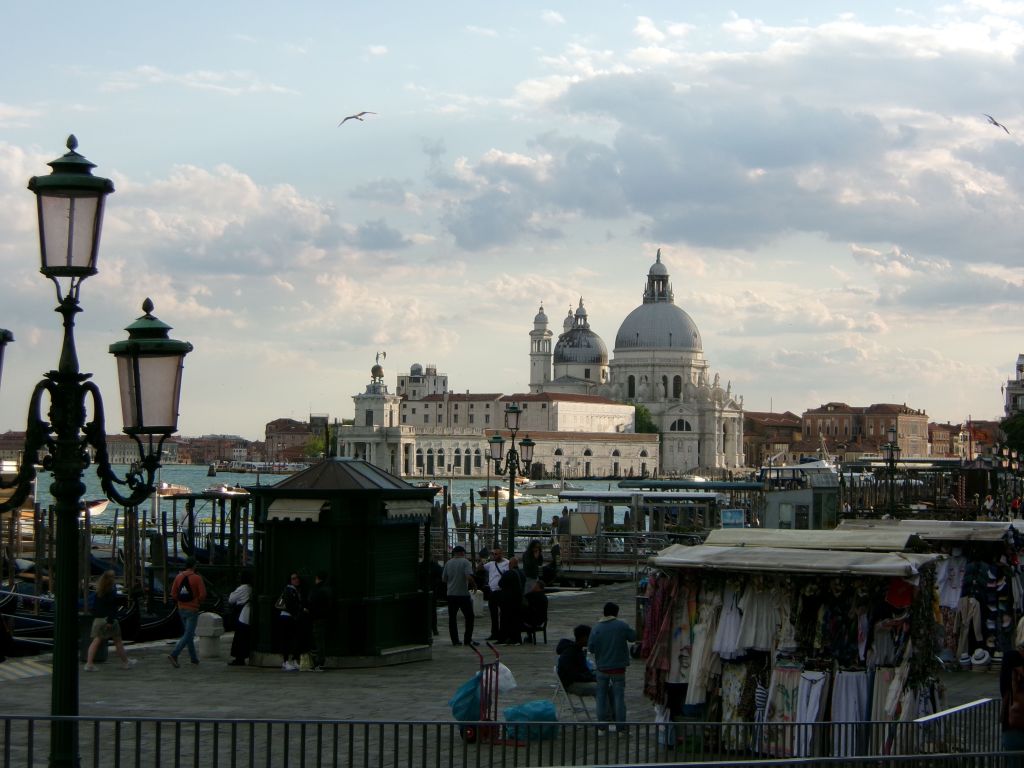
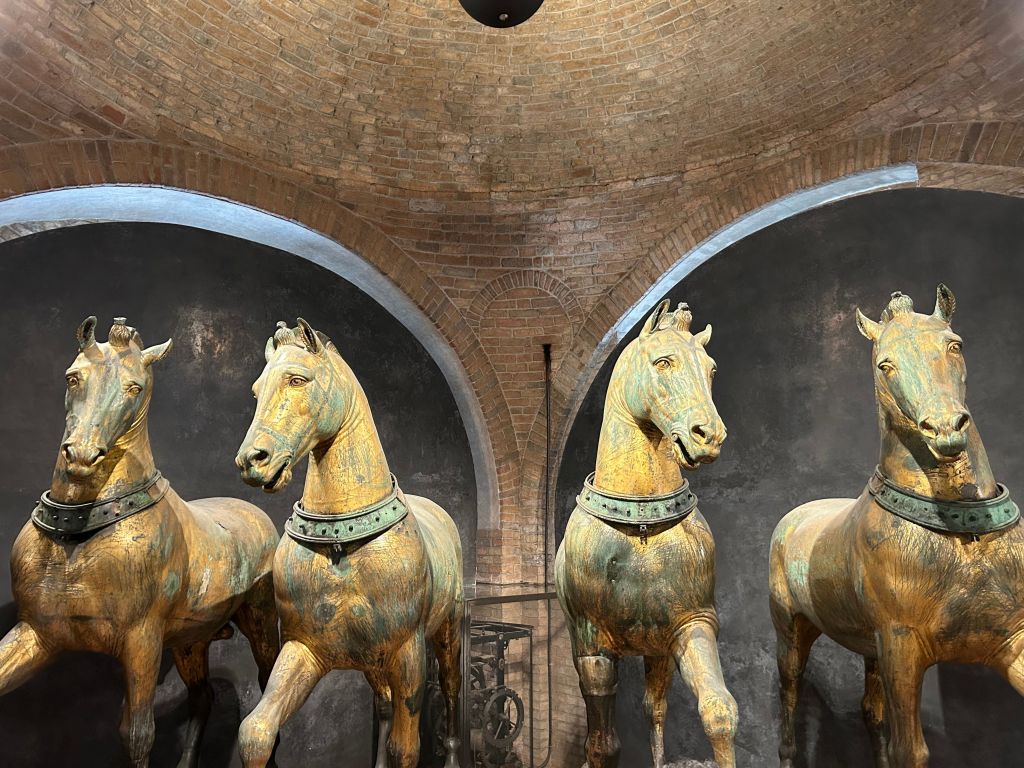
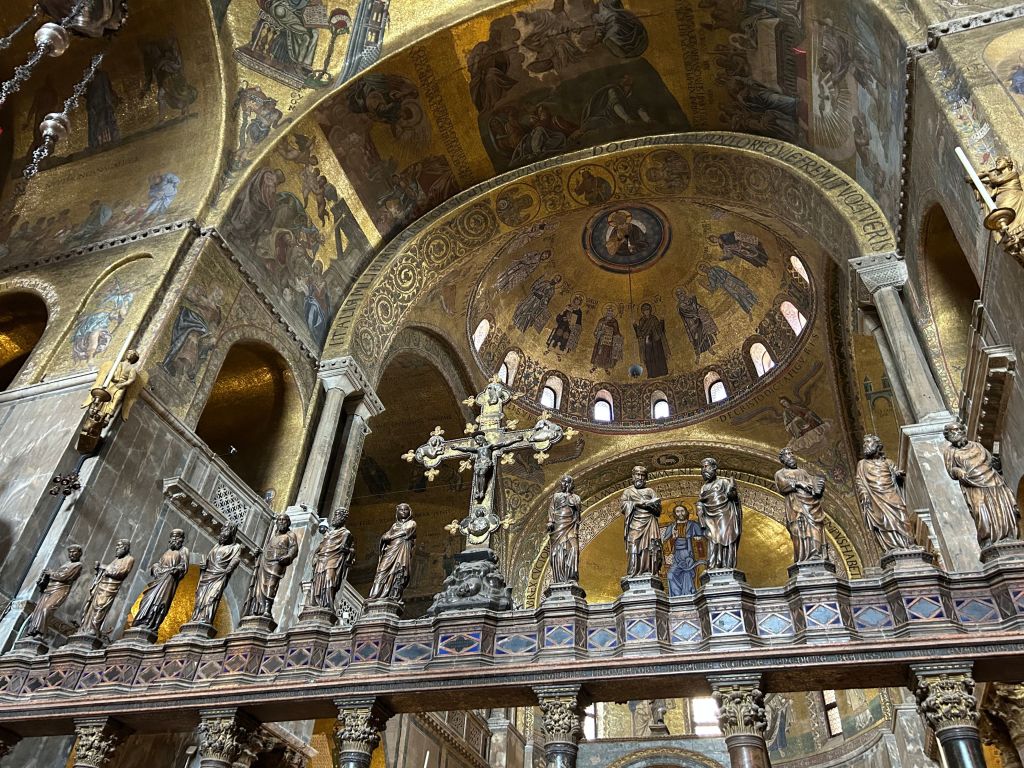
After returning to Florida, it was a major reverse culture shock! After spending so much time in Italy, away from my own culture, I almost started to forget pieces of it. As cliché as it sounds, I found myself saying “grazie” and “ciao”! Italy was so much more than I imagined it. It gave me new experiences, like going up the clocktower in Venice, and getting to know different cities through a different lens. I expected adventure, immersion, and a flawless experience, but it was quite the opposite. In my first assignment (Italy Awaits!), I mentioned I romanticized Italy a lot, but now I have seen the real Italy. I have seen it at its most beautiful with gold-lined basilicas that reach for the heavens, or a creamy bowl of carbonara and rich white wine. I have also seen it at its worst with trash lined streets, protests stopping all forms of transport, and pickpockets on trains. Every city has good and bad parts, but the balance between them makes us appreciate the good even more.


Have My Ideas Changed?Have I?
Nonetheless, Italy was not what I imagined, yet it was exactly what I imagined. The food, culture, language, and some interactions I had with people were as I suspected. But, the cities we went to, their the architecture, the splendor inside the churches, museums, and the amount of history was a complete shock to me! The U.S. is a very young nation, and where I live is very postmodern and doesn’t go much farther back than the 1800’s, so seeing a place that was so historically rich was very moving and enlightening.
My ideas about Italy, culture, and even myself have evolved over the trip. I used to think cultural differences/experiences were mostly about language or cuisine, something surface level and fun to navigate, but now I realize it is much deeper than that. Values, pace of life, communication styles, assumptions, even restaurant etiquette–all of these are completely different in Italy. I had to fully immerse myself in these ideals to gain insight into Italian life. Though it may seem simple on the outside, it was quite challenging to alter the way I think about these things because I was changing my mindset. I feel that through trying (and sometimes failing) to partake in Italian culture, I have grown in my ideas and as a person; I have expanded my horizons, gained new interests, and a new desire to learn about cultures different than my own.
How Are My Surroundings Different Now?
In relation to my Lafayette surroundings, I do notice the difference in pace and obvious differences in architecture, street design, and cuisine. I appreciate certain things like how fast things move and how everything is accessible quickly through the use of a car, but I also miss how I could walk everywhere, public transportation, real human connection everywhere, and most importantly the food! The food in Lafayette and in Florida will never be the same as how it was in Italy. In Italy, they took their time and put in a lot of effort into making my food, but in Lafayette, there are barely places that care as much as Italians did. In Florida, I have been in my house every day, and if I want to go somewhere I’d have to take my car. This was a bit of a shock because I got so used to walking everywhere. I feel a bit more of an outsider in a way, not in a bad way, but I have just seen things from a different lens.

What Have I learned About Cultural Difference or Truth?
I’ve learned that what I thought was “just the way things are” is really “just the way we do things.” From meal times to the role of public space, to how people dress, greet each other, and even how they drink their coffee at a cafe, every culture is built on choices, not truths. This realization is humbling. It made me question how many assumptions I carry without realizing it.
Clifford Geertz wrote in Deep Play: Notes on a Balinese Cockfight that “In Bali, to be teased is to be accepted” (59). While he was describing his relationship with a Balinese village, I believe this idea reflects my own experience in Italy. Although I wasn’t teased, I often felt like an outsider at first because I didn’t fully understand certain aspects of Italian life. For instance, I was confused by how slow-paced and laid-back everything felt compared to what I was used to. But over time, I began to see that this way of life was not laziness, but rather a reflection of different cultural values. Some of these include prioritizing relationships, enjoying the present moment, and embracing a more relaxed approach to time. Just as Geertz came to see teasing as a sign of acceptance in Bali, I came to recognize that what initially felt unfamiliar in Italy was simply a different way of living, and that understanding the context made all the difference.
Powerful Experiences

The most powerful moments weren’t necessarily the postcard ones. It was getting lost in Venice and having to ask a stranger for directions when I had no service. It was a conversation with the owner of coffee shop I’d visit daily while at Paderno del Grappa in broken Italian. It was having dinner with an Italian family in their home and having their 9 year old son moonwalk for us (pictured on the left). It was realizing I could navigate a new place like Florence on my own. These experiences stuck with me because they felt real and they altered my sense of self in a way; these experiences are now a part of who I am.
Do I have a new appreciation of what it means to be in the postmodern age?
I have gained an appreciation for my postmodern reality. Being in Italy made me reflect on how fragmented and layered our realities have become. I’d visit a 15th-century church, take a photo, and post it to my instagram story immediately. I was physically there, but my presence was felt elsewhere. In a way, postmodern life is about contradictions and finding a way to connect things that don’t make sense. For example, tradition and techechnology, old cities and digital developments, being rooted in your surroundings and international travel.
In a literal sense, I am very appreciative to be living in a postmodern age. I am thankful for the modern technology we have now, the medical advancements, the architecture, infrastructures, etc. The spread of information and ideas is now faster than ever, travel is more efficient, and mountains of information are at our disposal. But my appreciation goes beyond physical convinience. Living in a postmodern world means I have the freedom to challenge dominant narratives and I’m not expected to observe to one truth or one way of seeing the world. I’m encouraged, even expected sometimes, to question what I’m told, to formulate my own opinions, to engage critically with media, institutions, and the status quo.
Italy also showed me that being postmodern doesn’t mean rejecting the past, it means reframing and learning from it. The old can coexist with the new, not as opposites, but as layers. I’ve learned to appreciate the messy nature of our postmodern lives; they are like fragments stitched together into something that may not always make sense, but can still be deeply meaningful.


Alla prossima!
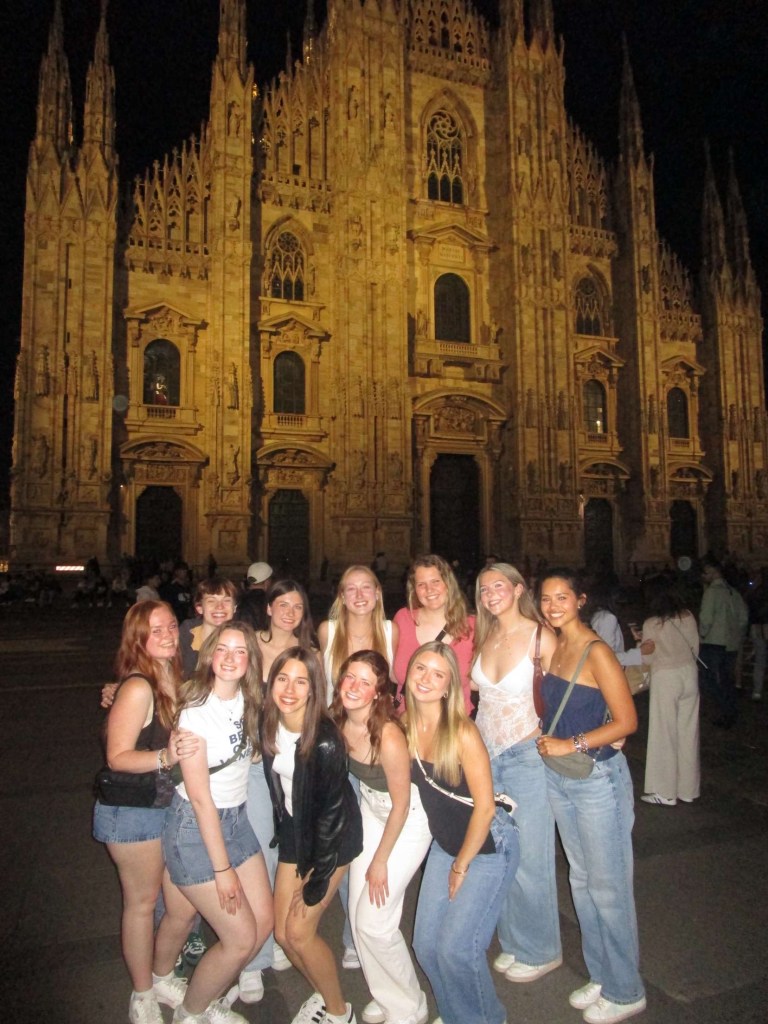
In The Art of Travel, Alain de Botton states that “True possession of a scene is a matter of making a conscious effort to notice elements and understand their construction” (220). I’ve come to learn that travel isn’t about chasing an idealized version of a place, but about experiencing it fully. Italy gave me exactly that. From medieval churches and delicious pizzas to chaotic streets and unexpected challenges, I saw a country that was vibrant, flawed, and so real.
Through this, I’ve come to understand what it means to both appreciate and critique a culture, and how that balance fosters a deeper, more honest respect. As de Botton notes, the act of truly noticing, of being present, changes surface-level travel into something deeper: an immersive, meaningful experience.
Now that I’m back home, I carry not only memories, but a new perspective. I find myself more intentional, more observant, and more appreciative of my surroundings. Travel has taught me to see the world through an attentive, more curious lens.
Thank you for coming on this journey with me!
Ciao xo
– Bianca

 Bianca's thoughts